

Ullage (from the French 'ouillage') is a winemaking term that has several meanings but most commonly refers to the gap of air between wine and the top of the container (barrel or bottle) that it is in. It can also refer to the process of evaporation that creates the gap itself (sometimes referred to as the 'angel's share') - or it can be used as a past tense verb to describe a wine barrel or bottle that has gone through the evaporation process (to be 'ullaged').
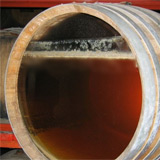
The gap of air in a 'wine barrel' is a mixture mostly of alcohol and water vapors with carbon dioxide that is a by-product of the fermentation process. In containers that are not completely air-tight (such as an oak wine barrel or a cork-sealed wine bottle), oxygen can also seep into this space. While some oxygen is beneficial to the aging process of wine, excessive amounts can lead to oxidation and other various wine faults. This is why wine in the barrels is regularly 'topped up' and refilled to the top with wine in order to minimize this gap.
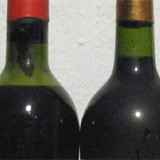
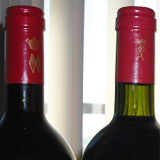
In the bottle - during the bottling process, most wineries strive to have an initial ullage level of between 5-10mm. As wine ages in the bottle, the amount of ullage will continued to increase unless a wine is opened, topped up and recorked. This 'fill level' of the wine can be an important indicator of the kind of care and storage conditions that the wine was kept in.
Generally the greater the amount of ullage, the more potential that the wine has been exposed to harmful levels of oxidation. This is why wine auction houses and retailers of mature wines pay close attention to the ullage levels in determining the resale value of the wine. Wines that have been kept at ambient humidity levels and in temperatures between 10-15C will experience evaporation at a slower rate than wine kept in lesser conditions. In certain wines, such as Bordeaux, ullage levels can be of a greater concern than other wines, such as Ports, Sauternes and very tannic Barolos since some oxidation can be beneficial to the wine.